Gardeners Show Results

© 2010
Photographs and text cannot be used without permission from Judith Girard and Gloria O’Hayre.
Leonard O’Hayre’s Garden
Today this is Leonard O’Hayre’s Garden, the largest garden in Applewood Knolls. In the 1800s the O’Hayres planted apple and cherry orchards, fields of alfalfa, barley, corn, hay, oats, and rye. In addition, they grew two acres of strawberries and blackberries, gooseberries, and raspberries. The berry patch was located on what is now known as the corner of O’Hayre Court and 32nd Avenue, then alongside Middle Golden Road,” reported Leonard O’Hayre.
Cover photo taken from the 2011 Catalog from the Rocky Mountain Seed Company
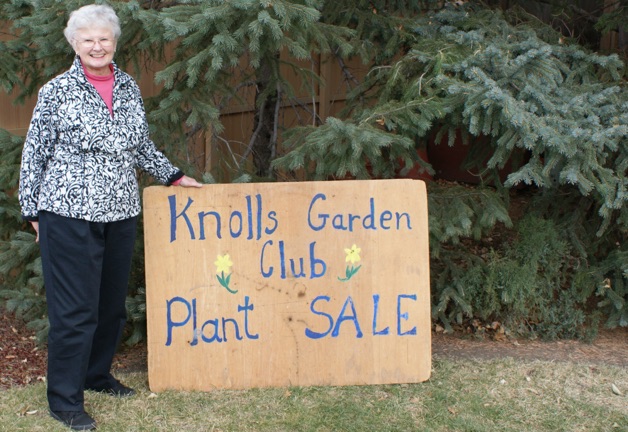
President Mrs. George Fowler, (Eleanor) is pictured with the original sign that was created by the Knolls Garden Club.
“The Knolls Garden Club was founded February 14, 1963 and dissolved in 1981. While the club was active the membership was limited to 30 with annual dues of $5.00. Members met on the fourth Wednesday of each month, unless noted.” Knolls Garden Club
One of the responsibilities of Knolls Garden Club members was to maintain the landscaped entrance way to Applewood Knolls located at the entrance to Quail Street from West 26 Avenue. The name Applewood Knolls was placed on a carved wooden sign rising to a peak in the center that identified the upscale subdivision. The first planting was designed and completed by Tom Snyder for his Eagle Scout project.
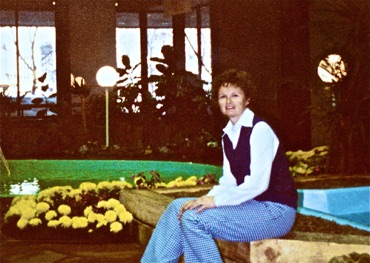
President Mrs. George Fowler, (Eleanor) is pictured at the Home and Garden Show where club members planted flowers for exhibits.
The Knolls Garden Club
Flower: Yellow Rose
Tree: Pine
Symbol Pine Cone
Colors: Yellow and White
Motto: Beautify with Nature’s
Paint Brush
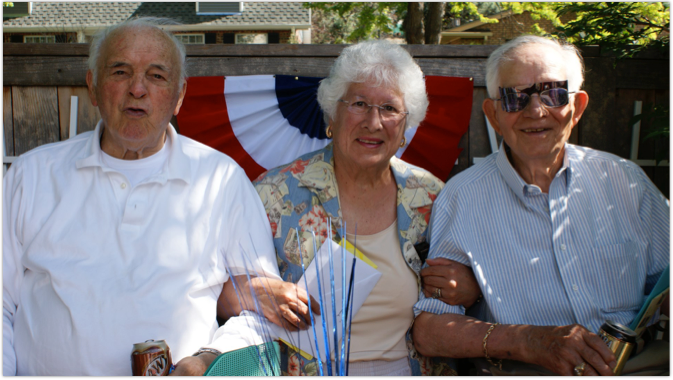
Left to Right: Ralph Herms Sr., Lilly Culver, and Carl Cribari These gardeners are known for growing delicious tomatoes! 2010
Applewood KnollsCalendar 2011 August
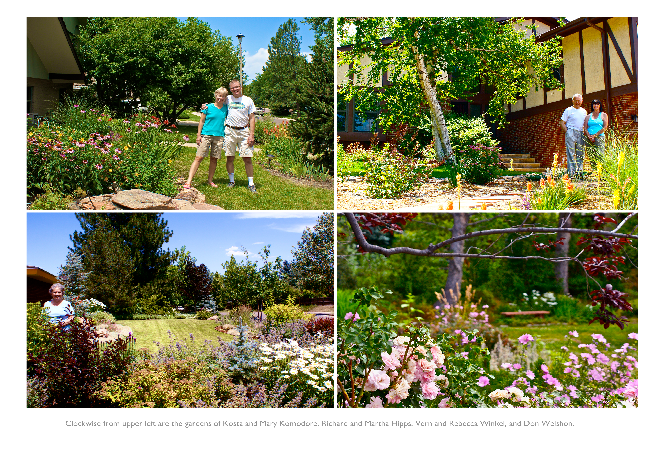
Clockwise from upper left are the gardens of Kosta and Mary Komodore, Richard and Martha Hipps, Vern and Rebecca Winkel, and Don Welshon. 2011
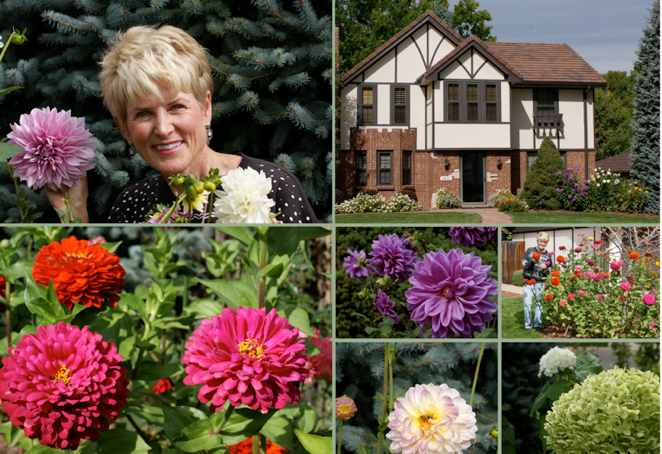
Applewwod Knolls Calendar August 2012
Gwen Kruger has enjoyed gardening all her life but took more of an interest after she retired from teaching fitness. Her favorite flowers are hydrangeas, zinnias and dahlias. 2012
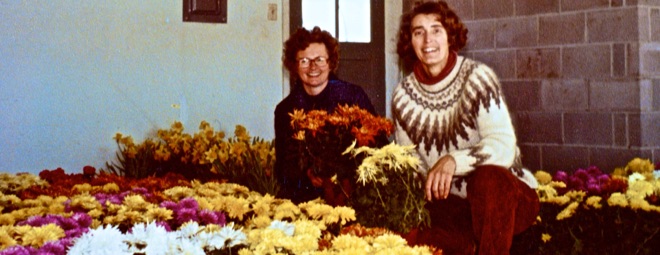
President Eleanor Fowler and Chris Carlson moved the flowers to freshen them before giving them to nursing home residents.
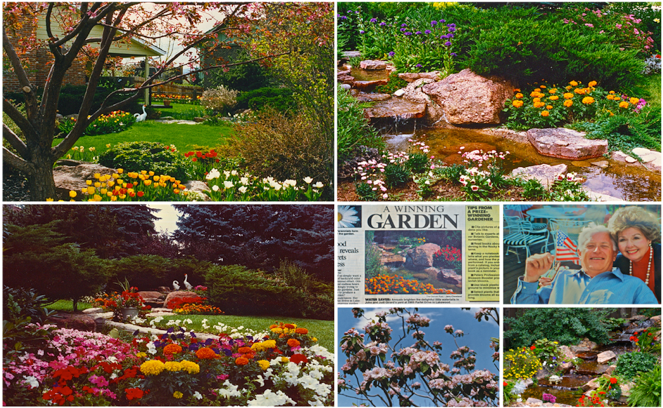
Applewood Knolls Calendar 2011 May
John and Judi Girard are original owners who moved to Applewood Knolls when their house was built in 1968 during the construction of the seventh filing of the subdivison. The Girards received numerous awards for their garden for all seasons from 1986-1992. They continue to enjoy gardening and friendships with their wonderful neighbors.
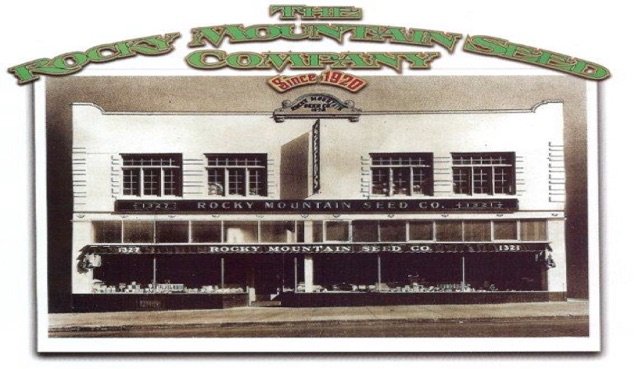
From the early days the primary customers for the seed company were truck farmers who raised crops and trucked them to various produce brokers in Denver. In the 1920s most of the seeds came from the Rocky Mountain seed company came from Europe. Area farmers grew these heritage seeds for decades. Today hybrid seeds came not from the USA, but also from all over the world.
Rocky Mountain Seed Company
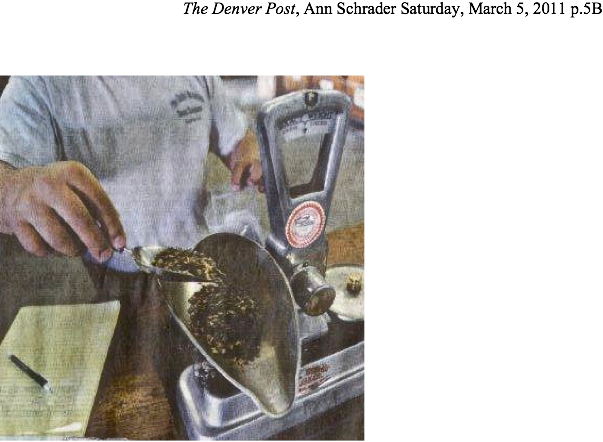
Excerpt from the 2011 Seed Catalog from the Rocky Mountain Seed Company
James Howlett O’Hayre worked for the Rocky Mountain Seed Company for 35 years. At his death he was 88 years of age and a fourth generation member of the Howlett-O’Hayre family. He was a graduate of Prospect Valley School and Wheat Ridge High School. He lived and worked on the Howlett-O’Hayre Ranch his entire life. He engaged in ranching, farming, and nursery activities most of his life.
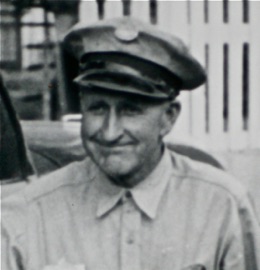
O’Hayre historical file
James Howlett O’Hayre
After 91 years of doing business in the same location at 1325 15th in Denver the Rocky Mountain Seed Company moved to a new location in March 2011.
Leonard O’Hayre’s Garden
Leonard O’Hayre
Gardening has always been a huge part of my life. From the time I was a small boy, I remember seeing my grandfather Patsy, my father Paul, and my Uncle Jim with shovels or hoes in hand, working in the fields. Year after year, my brothers (sometimes my sisters) and I helped each of these men plant our fields with every kind of seed or plant available in order to put food on the table, feed our animals and even help make an honest living.
I guess from that experience, one might say that gardening is "in my genes". It was passed down from one generation to the other to me. I have tried to instill these same values and skills to my children who grew up helping me in my garden. I only hope they continue gardening with their children wherever they might live.
When the housing development began around our acreage in the 1960s, our gardening activities changed to conform to the new landscape and our needs at that time. My dad Paul and Uncle Jim both advancing in age, still planted gardens, only they planted them closer to the old house on the hillside and on various pieces of land around the remaining acreage. We still had ample grassland to maintain the horses, some cattle, and a few other farm animals. It was about that time when I put MY garden on the north side of my mom and dad's house.
My dad and I planted seeds in wooden boxes, called hotbeds that we built as needed. These boxes had glass tops like old window frames with the glass still in them. The hotbeds were placed on the sunny side of the house where the sun was the hottest. That's why they were called "hotbeds". The bright sun was needed for the seeds to grow into healthy plants.
The window (glass) could be raised and lowered as needed to maintain the proper balance between heat and moisture in the hotbed. We grew tomatoes, peppers, cabbages, broccoli, and celery plants to name a few. The mature plants were then transplanted into the garden in the spring when the weather permitted. The seeds that we were able to plant directly into the ground were things like corn, beans, peas, squash, cucumber, potato, lettuce, pumpkin, beets, turnips, dill, radishes, carrots and okra.
When my dad was eighty-five and a half years of age, he suffered a massive heart attack the day after Christmas. His doctors informed my mom and our family that we should make plans for his funeral, as the doctor, and his colleagues believed there was no way he could survive. However, within five months time, this tough old Irishman was out in the field helping me plant my garden.
At the time my dad was helping me, my garden consisted of forty-five to fifty rows-some sixty-five to seventy feet long. He and I planted all of the crops listed above as well as many new ones as new seed became available. I always rotate the crops every year so they are not planted in the same rows as in the previous year.
After my father died and my gardening activities changed. I began to grow my plants in the "hotbeds" in my house instead of outside. I planted 100-150 Celebrity and President tomato seeds, and many seeds for peppers, cabbage, broccoli, celery, and cauliflower in the South window of the front room of my house.
As the landscape continued to change we lost access to much of the pasture grass for the horses and other farm animals. Because of that, we made changes in the numbers of animals we were able to keep on our land. When we had only one horse left, I made a decision to convert about 60% of my garden space into pasture for the horse.
At that point in time, my nephew, Tony Spano brought his tractor and plow over to my place, and plowed and leveled my entire garden space. The next day, I went to the Rocky Mountain Seed Company and talked to Kenneth Vetting, the youngest member of the Vetting family who owned the company.
This is the same company my Uncle Jim worked for over 35 years and the one we purchased all of our seed from over the years. See previous page. Kenneth sold me a large amount of excellent "Pasture Grass Seed" which I broadcast over the area in the fall. As I had expected, it came up beautifully in the spring.
My sons, Kevin and Sean helped me build a fence around the new pasture. Kevin and I put up a two rail fence, while Sean and I stretched the barbed wire. Several years later we extended the corral area, and added a new barbed wire fence on the west side of our house. This provided the horses with an opportunity for plenty of exercise.
Today thanks to the needs of our horse, my garden area is reduced to twenty-one, fifty-foot rows. I still plant all of the same crops that I used to like: celery, tomatoes, cabbage, peppers, celery, corn, beets, peas, cucumbers, and so on, but not nearly as much.
The past few years, I have been planting a crop that our family had never planted on this land. It is for all of the birds who are residents of Applewood Knolls, and their lovely migrant cousins just passing through. It is the sunflower, and it produces a bumper crop of sunflower seeds every year and feeds all birds that are hungry.
I still irrigate the garden and pasture with water from the Rocky Mountain Ditch, just as our family has done since my grandfather, James Patrick O''Hayre, "Patsy" installed Head Gate #25 on the "Ditch" in 1893. However, instead of using "hotbeds" in my front room (My wife Pat has outlawed that practice), I now buy my "hotbed" plants- rather than grow them-from a member of the Spano Family (my niece, Pauleen is married to Tony Spano). This new practice of buying my plants works for me, and it really works for Pat, since I am no longer allowed to disrupt our front room.
KNOLLS GARDEN CLUB
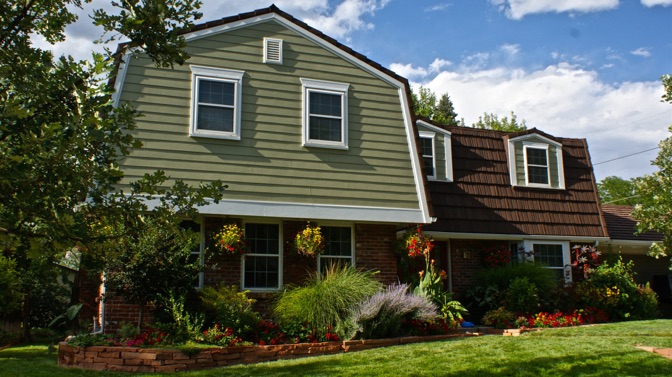
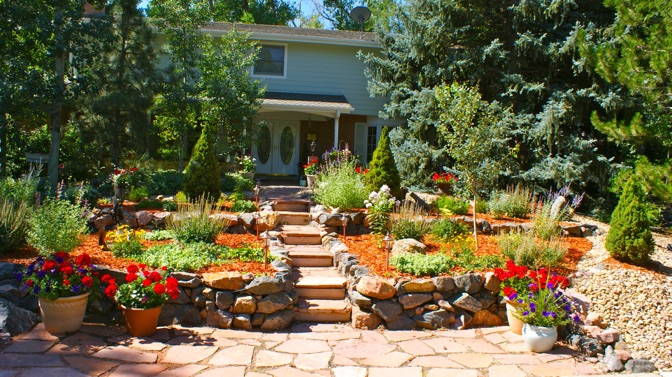
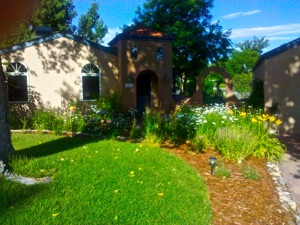
Bill and Barbara Engemoen have designed a winning garden,11480 W. 27th Place. Their landscape will be featured in the Applewood Knolls Calendar in 2013.
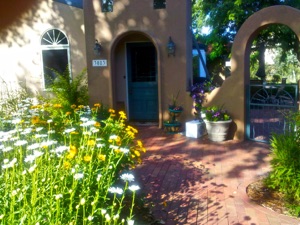
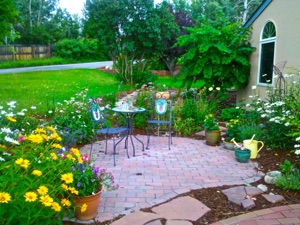
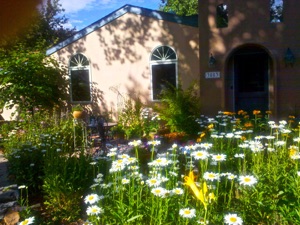
Charmaine Brittain, 3083 O’Hayre Ct. took these photographs of her picturesque garden that will be featured in an upcoming Applewood Knolls calendar.
Daniel and Linda Helms of 12033 W. 27th Place created this garden lovely garden that will be entered in the Applewood Knolls Calendar in 2013.
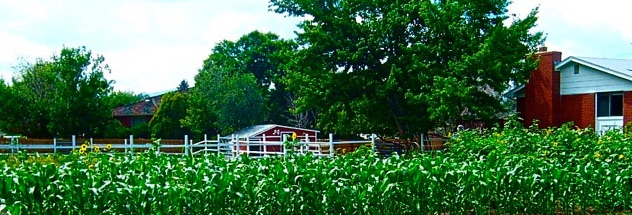
Photos by Leonard O’Hayre
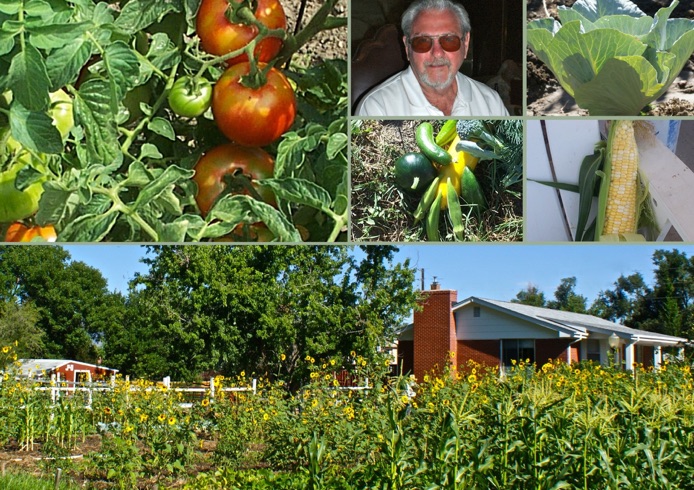
Leonard O’Hayre gardener extraordinaire grew corn, beans, dill, peas, tomatoes, beets, carrots, radishes, turnips peppers, okra, broccoli, cabbage, squash, pumpkins, tomatoes and sunflowers in 2011. Granddad Patsy O’Hayre began gardening on the Howlett-O’Hayre ranch in 1870. The O’Hayres have prepared the soil for planting to produce crops annually for 143 years.
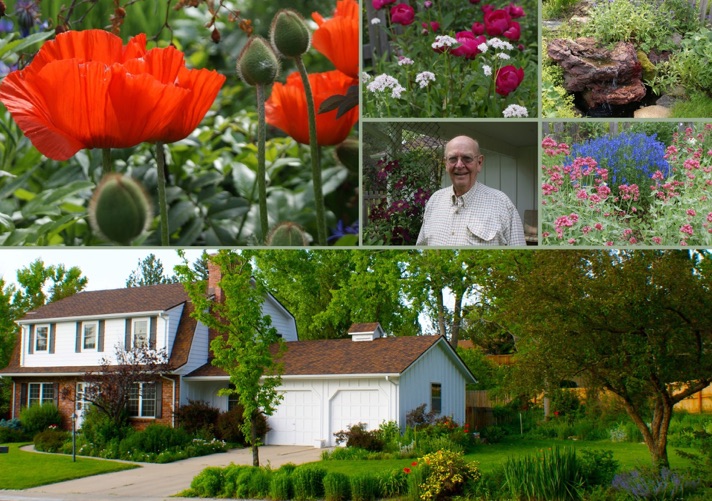
Don Welshon enjoys Eleanor’s prize winning garden full of perennials that bloom throughout the spring, summer, and fall seasons.
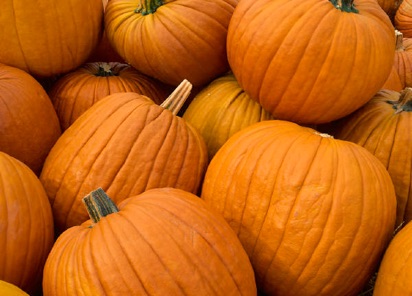
Lilly Culver raises pumpkins for neighborhood children. Before Halloween children select theirs’ to decorate.
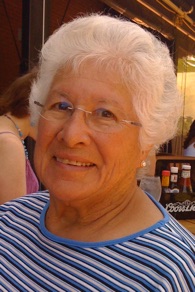
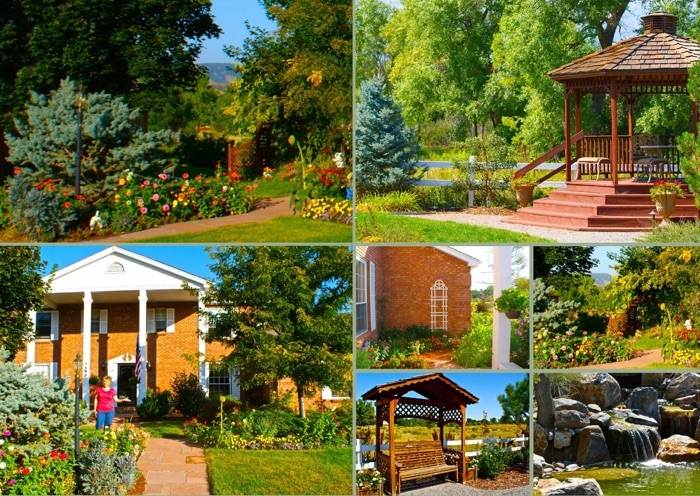
Adele O’Toole owner of the O’Toole Garden Centers enjoys gardening at home like she does professionally. Story to be coming soon.
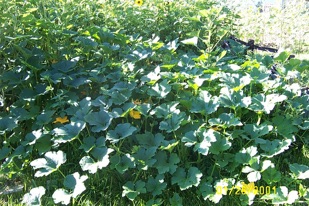
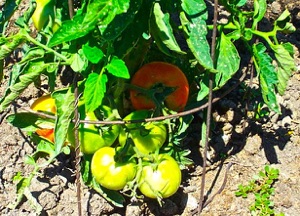
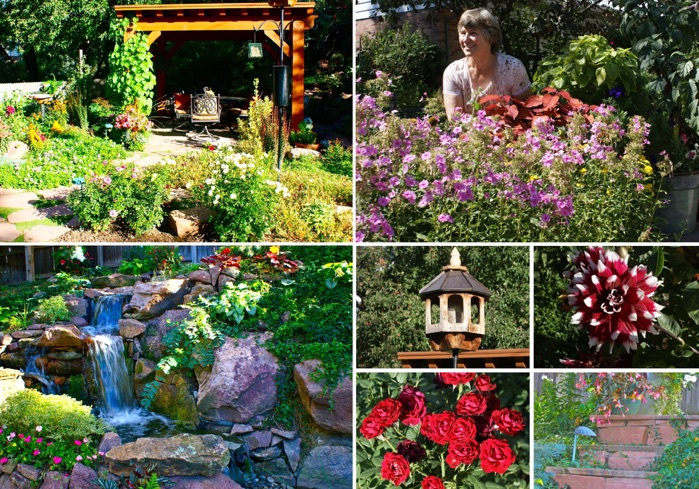
Brenda McLean’s passion is gardening and has enjoyed it for many years.
Brenda McLean
I am a Kansas transplant I attended Colorado University for a degree in physical therapy and quickly fell in love with Colorado. I was determined to stay after graduation to enjoy the outdoor experience of Colorado.
My husband and I chose Jefferson county for our home because of the excellent school system and because it was close to hospitals where he practiced medicine. In 1967, after much searching we were fortunate to find a "For Sale by Owner" sign on Applewood Knolls Drive. I fell in love with the full rock garden in the back yard and the "country feel" of the home's location.
My Kansas farm roots instilled a love of the land and plants. I have a pension for experimenting so have had many landscaping designs through the years. Now the landscape is leaning toward cottage gardening with a combination of xeriscape and shade plants with a healthy mixture of flowers in pots dispersed throughout the front and back yard. The hardscape consists of a gazebo, a several tier waterfall and a front yard patio. Flagstone is used for the gazebo floor, steps to an upper bank and walkways and for the patio in front. Huge boulders are placed strategically on the backyard bank so that it looks like a mountain hillside.
The landscape has flowering bushes-sunset hyssop, hibiscus, potentilla, crepe myrtle, variegated weigela, rhododendron, Russian sage, hydrangea, butterfly bush, black lace elderberry and peonies. Other trees and bushes are found on the yard length bank-mature douglas fir, blue spruce, foxtail pine, smoke bush(golden and purple), 'Tiger Eye' stag horn sumac, serbian spruce, and manzanita. Next to the gazebo there are golden euonymus and 'Helmond Pillar barberry bushes combined with a Japanese maple. Floribunda, tea and miniature roses are planted around the front patio, along the back of the house and near the gazebo. Cotoneaster is planted in the front.
Ground cover consists of ajuga, vinca minor, 'Crystal River' veronica, lemon thyme, sedum, 'Table Mountain' delosperma (ice plant), yellow ice plant, kinnikinnic, lamium, verbena 'Annie', candytuft. I also use annuals-moss rose and lantana.
Vines have been used for additional color-clematis tumbling down the bank by the waterfall and up the sides of the gazebo and trumpet vine and 'Sulphur Heart' ivy climb along the fences. Morning glories also climb up the gazebo. A climbing rose rises against the back wall of the house.
There is a shade garden by the gazebo and the waterfall consisting of various types of heucheras, hostas, helleborus, ferns, astilbe, primroses, dicentra bleeding hearts, brunnera, columbine, anemone and grasses- juncus and sedge. Various colors of coleus and caladiums are used for accent by the gazebo.
Bulbs appear around the front and back yard gardening areas throughout the growing season-lilies, tulips, hyacinths and muscari.
Other perennials are interspersed throughout-tall phlox, lupine, red feathers, malva, balloon flower, campaneua, echinacea, monkshood, sunset foxglove, gaillardia, hemerocallis, dahlias, dianthus, geraniums, German statice, day lilies and penstemons.
It is fun for me to be working in the yard and have neighbors stop to discuss gardening with me. My husband and I welcome garden affecianados. Our backyard is open to visitors (no dogs).
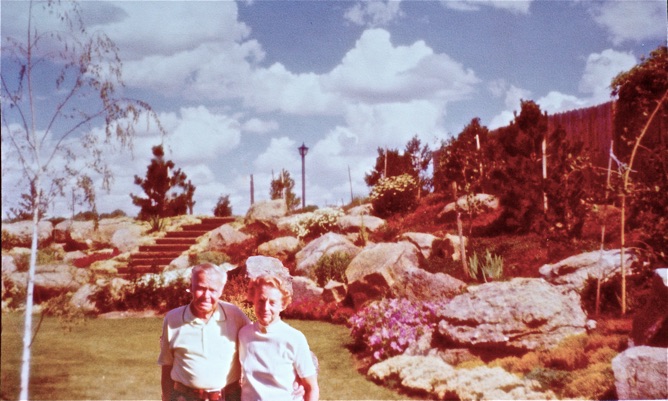
Edward and Evelyn Dieker were photographed in their backyard of their home located in the sixth filing of Applewood Knolls to mark their 50th wedding anniversary in 1974.
In 1913 following the death of Tom Howlett, his wife Mary Jane, their foreman Henry Brennan and the James Patrick “Patsy” O’Hayre family continued to farm the 280 acre Howlett-O’Hayre ranch. Then in 1929 Evelyn and her brother Wilbur purchased a strip of land bordered by now named West 26 Avenue to the south, Quail on the west, West 32nd Avenue on the north, and Owens Court on the east, and due south back to West 26th Avenue. The O’Hayres continued to farm the land by leasing the strip of land back from Evelyn Howard Dieker. In addition to this land, Evelyn owned a great deal of land within Colorado and other states as well while maintaining her private residence on Bannock Street in Denver. However Evelyn liked the Rocky Mountains best where she also owned property.
After Mike Leprino developed Applewood Knolls filings 1-5, Evelyn and Edward Dieker sold a portion of their land to Mike Leprino to form part of filings 6-8 of Applewood Knolls. In 1974 Edward and Evelyn Dieker built their beautiful home in Applewood Knolls featuring a picturesque Rocky Mountain landscape with a waterfall in their back yard shown above.
EDIE SARTEN
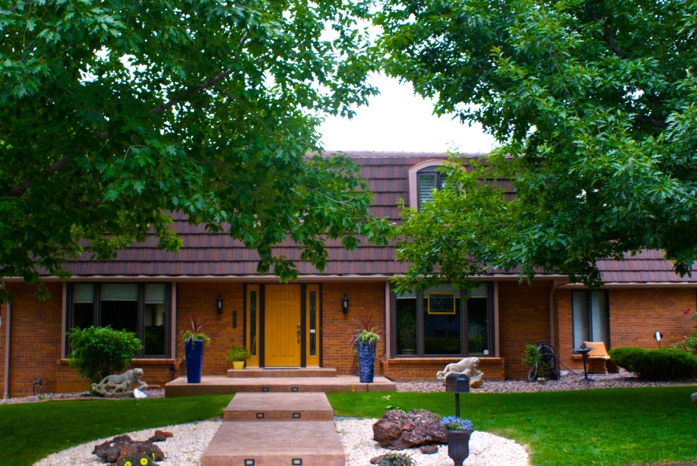
JOHN, SUSAN, DOMINIQUE AND ENZO PERRY
HOME AND GARDENS IN APPLEWOOD KNOLLS
HOME
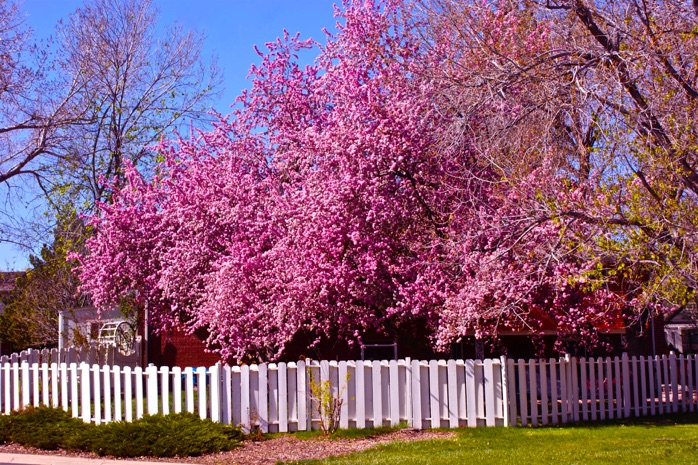
RICHARD AND KAY HERR
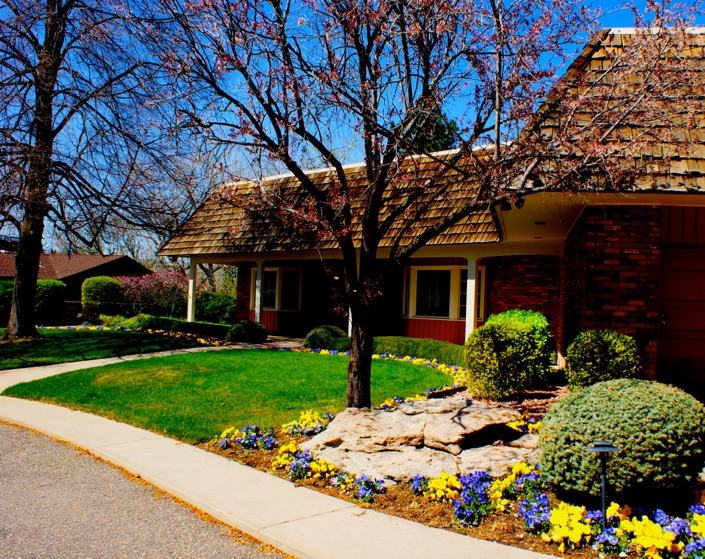
JOHN AND BARBARA CASSON
RICH AND JUDY BILLINGS
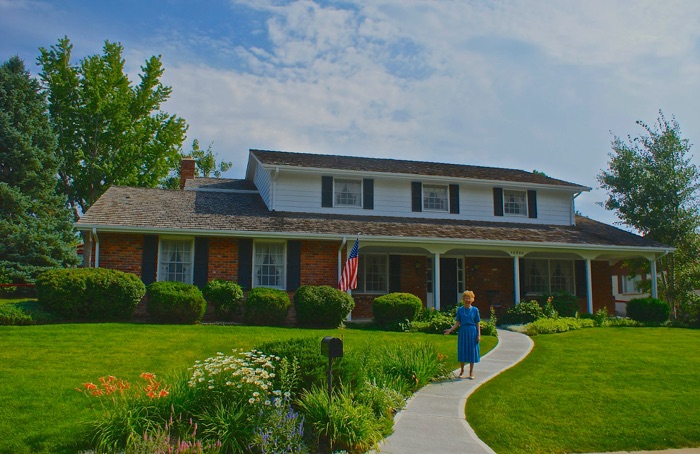
JOHN
DOUG & CATHY JUNDA
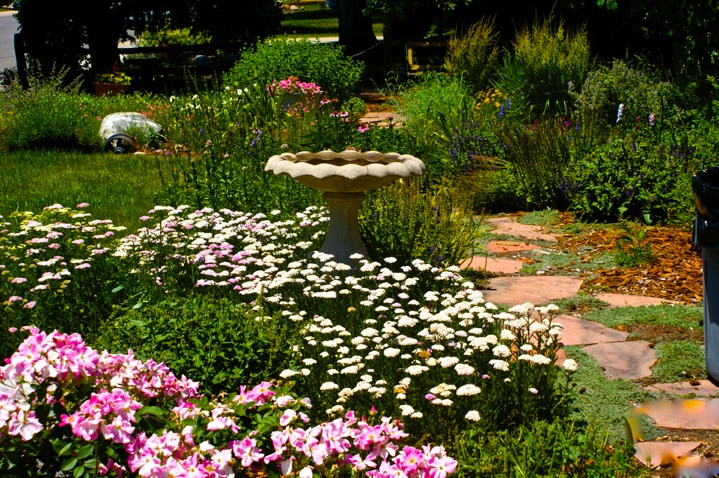
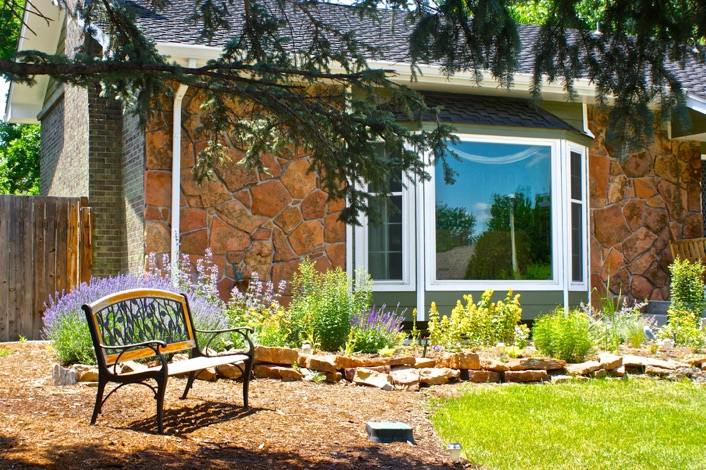
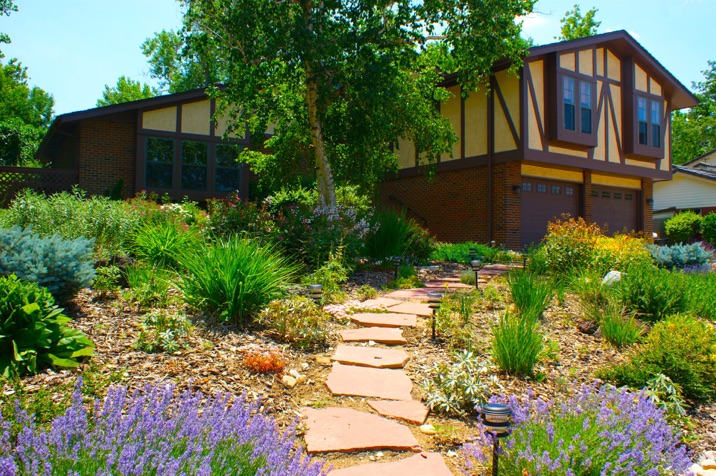
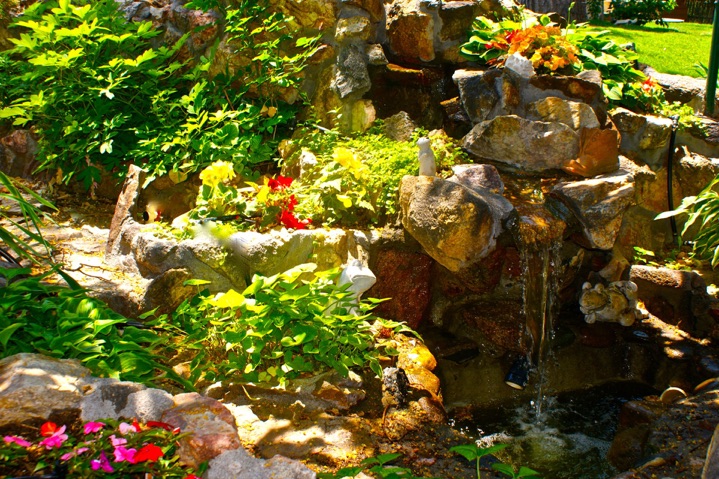
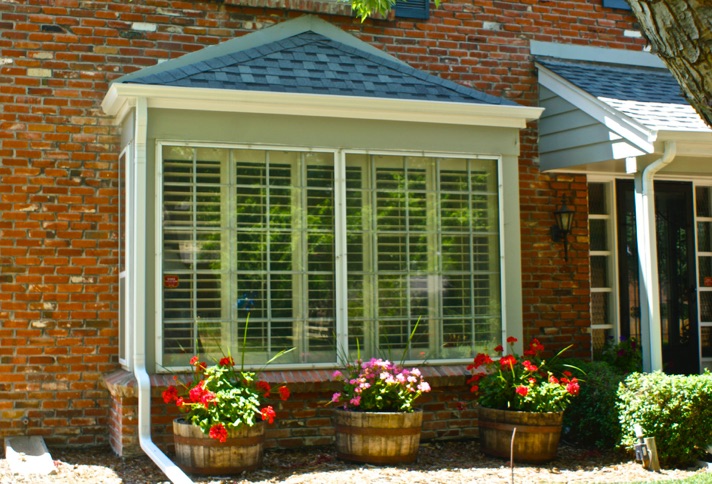
ROBERT & SASHA MANGELSDORF
VIEW FROM NELSON DRIVE
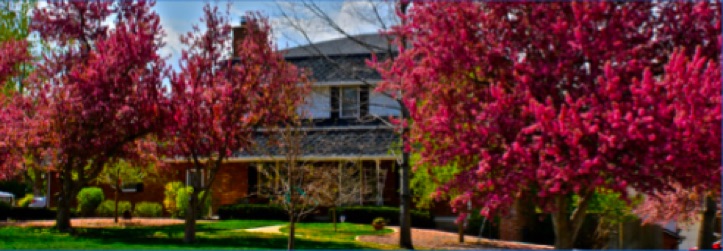
RALPH & BENITA SMITH
BOB & JANANNE KINKLE
CHRISTOPHER & YVONNE MONSON
RICK & PAM JOHNSEN
GREG & REBECCA SOPKIN
GREG
RICHARD & MARTHA HIPPS